Using a US Mobile Number for OpenAI, Google & App Verification: What Works in 2026
On this page
When a registration form rejects your phone number with an “unsupported carrier” or “please enter a valid mobile number” message before sending a single text, the cause may be the service’s number-eligibility rules rather than signal strength. Some services check line-type or other number data before attempting delivery; their checks and acceptance rules vary.
Understanding how that pre-delivery check works—and where a shared public SIM inbox fits versus a private line—saves time when testing sign-up flows on services like OpenAI, Google, WhatsApp, Telegram, or TikTok.
Why verification forms reject VoIP numbers before sending a text
Phone-number intelligence services can return a line-type estimate for a +1 number, but the data source, freshness, and decision process vary by service. Number portability also means an original number-block assignment is not always the current carrier. Common classifications include:
- Wireless / Mobile (SIM or eSIM): Assigned to a licensed mobile network operator (MNO) or wireless carrier backed by physical radio infrastructure.
- Non-fixed VoIP: Cloud-provisioned virtual numbers created on demand without a physical SIM or fixed address.
- Fixed VoIP / Landline: Enterprise desk phones or residential fiber voice lines.
If a service requires a mobile line, it may reject a number classified as VoIP before sending an SMS. A mobile classification alone does not guarantee acceptance or delivery. For a deeper comparison of line classifications, see our guide on VoIP versus real mobile SIM numbers for SMS verification.
Observed US SIM delivery patterns across major platforms (October 2026)
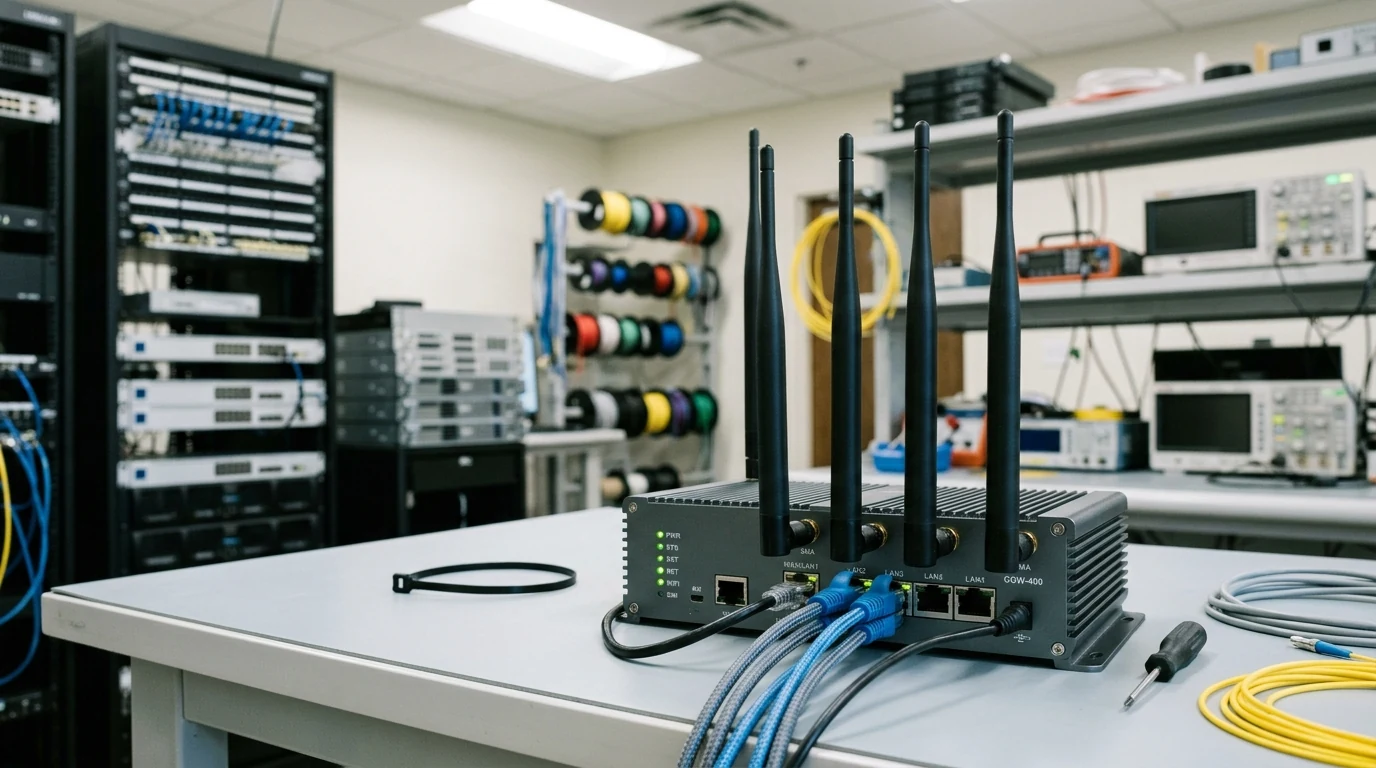
Because FreeUSSMS numbers run on physical US SIM cards connected to cellular hardware gateways rather than cloud VoIP trunks, incoming carrier traffic reflects how major senders actually deliver verification texts to US wireless lines. In a snapshot of 2,000 recent incoming messages recorded on our US SIM pool in October 2026, the following patterns appeared. This is an observational sample of received messages, not a measure of sender acceptance or delivery success:
- Short-code vs. 10-digit routing: This sample included messages from short codes such as
22395and22000, as well as 10-digit senders. A service may use different routes over time or by account and region. - Shared-number cooldowns: A sender may limit repeated requests to a shared number; the threshold and duration are set by that sender and are not visible from a public inbox.
Sample note: Counts below describe messages observed in a 2,000-message snapshot on October 16, 2026. Sender labels are best-effort classifications; categories can overlap, and observed receipt does not predict whether a new registration will succeed.
| Platform / Service | Typical Sender Route | Recent Sample Volume | Verified Delivery Example (UTC) | Public Inbox Suitability |
|---|---|---|---|---|
| Meta (Instagram / FB) | Short codes & 10DLC | 265 messages | Oct 16, 2026 · Active across pool | One-off testing only; high collision rate on popular numbers |
| 10DLC & short codes | 187 messages | Oct 16, 2026 · Continuous | Not recommended: anyone viewing the public inbox can re-register the number | |
| Telegram | 10DLC (+1 long codes) |
58 messages | Oct 16, 2026 · Continuous | Not recommended: login codes appear in plain text on public pages |
| OpenAI / ChatGPT | 5-digit short code (22395) |
53 messages | Oct 16, 2026 08:55 UTC (SIM ••5379) |
Observed in this sample; future acceptance and delivery vary |
| TikTok | 10DLC (+1 long codes) |
24 messages | Oct 16, 2026 07:35 UTC (SIM ••9561) |
Observed in this sample; use only for low-stakes testing |
| Google / YouTube | 5-digit short code (22000) |
16 messages | Oct 16, 2026 02:35 UTC (SIM ••3547) |
Strict velocity limits; never use a public inbox for primary Gmail recovery |
Why a real US SIM number can still fail on a public inbox
Passing the carrier line-type check is only step one. When you use a free, publicly shared SIM number, two additional rules apply:
- Per-number velocity caps: Repeated requests to a shared number may trigger a sender-specific limit or an already-used-number rule. We cannot infer a sender’s exact threshold or cooldown from the public inbox.
- Zero inbox privacy: Every code that arrives on a public inbox is readable by anyone visiting that URL. If an app uses your phone number as the primary login identifier, another visitor can request a reset code to the same inbox.
Step-by-step: How to test verification cleanly on FreeUSSMS
- Check the live timestamp first: Open the US numbers directory and pick a number currently marked available. A recent message is useful context, but does not prove the line or sender route is available right now.
- Scan the recent message list before submitting: Look at the top 10 messages on that number’s page. If you already see several recent messages from the same service, consider another available number; the sender may apply its own limits.
- Format the
+1prefix accurately: If the registration form already displays a US flag or+1country selector, paste only the 10-digit national number (NPA-NXX-XXXX). See our US area code and E.164 formatting guide if the form rejects your input format. - Wait 30–60 seconds before retrying: Repeated resend requests can trigger service-specific limits or make it unclear which code is current; follow the sender’s own retry instructions. If nothing arrives after 60 seconds, follow our SMS not arriving troubleshooting checklist.
When to stop using a public inbox and switch to a private line
A public SIM-backed inbox is built for quick, low-stakes verification tests, QA checks, and disposable sign-ups where you do not care who sees the confirmation code. Never link a public number to a primary Google account, an OpenAI API billing profile, banking, or any chat app (such as WhatsApp or Telegram) where a phone number controls account ownership. Read our shared public inbox vs. private SIM decision guide to choose the right setup for long-term accounts.